The brief
Become commissioned Teachers Who Care as part of a wider training package designed to help teachers better support care-experienced young people in education.
The audience was primarily teachers working in mainstream settings, where direct experience, training, and processes around care-experienced young people can often be less developed than in specialist environments. For many viewers, the film needed to introduce realities they may not have fully understood before.
This was never intended to be a conventional training video that offered every answer or process step. Instead, it needed to act as the emotional anchor of the wider package, helping teachers understand the experiences young people may carry into the classroom, and encouraging professional curiosity about how practice could improve.
The challenge was balance.
Too much focus on difficult stories risked leaving teachers feeling defensive or powerless. Too much practical guidance would have reduced the film to a dry information piece. The aim was to create something emotionally honest that also left audiences feeling motivated to make a difference.
A bad version of the project would have removed young people’s voices altogether and relied only on professional commentary. That would have missed the point entirely. The people most affected by poor experiences in education needed to be heard.
What we did
We built the film around two sets of voices: care-experienced young people and professionals working alongside them.
Each group could speak to different parts of the story. Young people brought lived experience, emotional truth, and insight into how school environments can feel from the inside. Professionals added context, reflection, and practical understanding of how things can be done better.
Where those two perspectives met, the film became especially powerful. When lived experience aligned with professional insight, it created moments of clarity that felt both authentic and useful for the audience.
We worked with around five contributors in total, including one participant who needed to remain anonymous. Safeguarding and contributor care were central to the process. Through pre-interviews, clear communication, and contributor-led boundaries, we created a space where young people could share what they wanted to share, at a pace that felt right for them.
Before filming, we developed a detailed story plan to understand how these voices could work together structurally. The film moves from negative experiences and misunderstanding towards examples of support, progress, and encouragement. This allowed teachers to understand the range of experiences care-experienced young people may have, while also seeing what positive practice can look like.
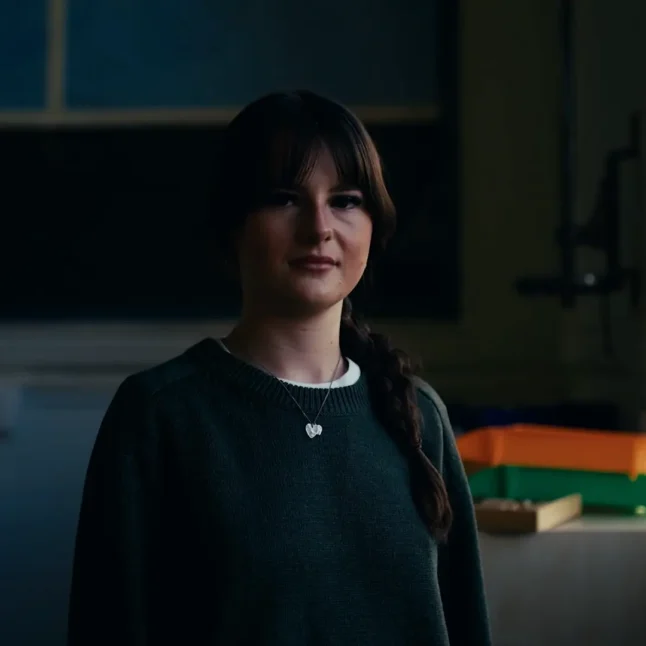
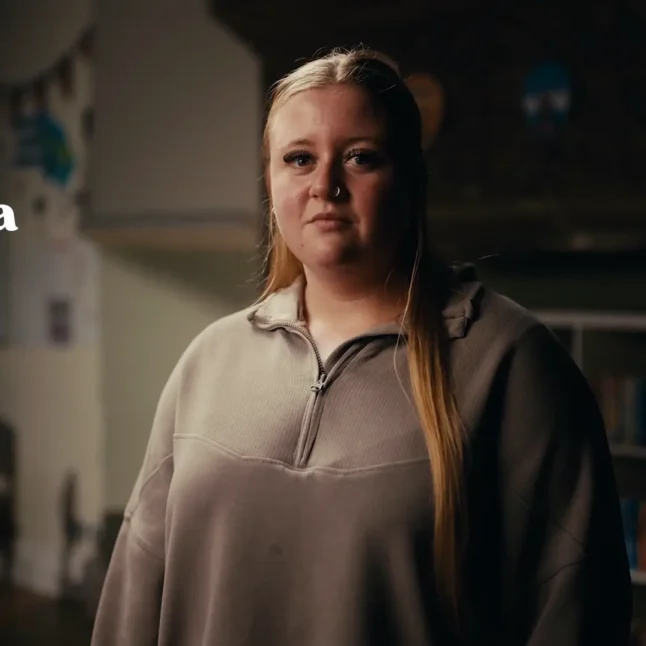
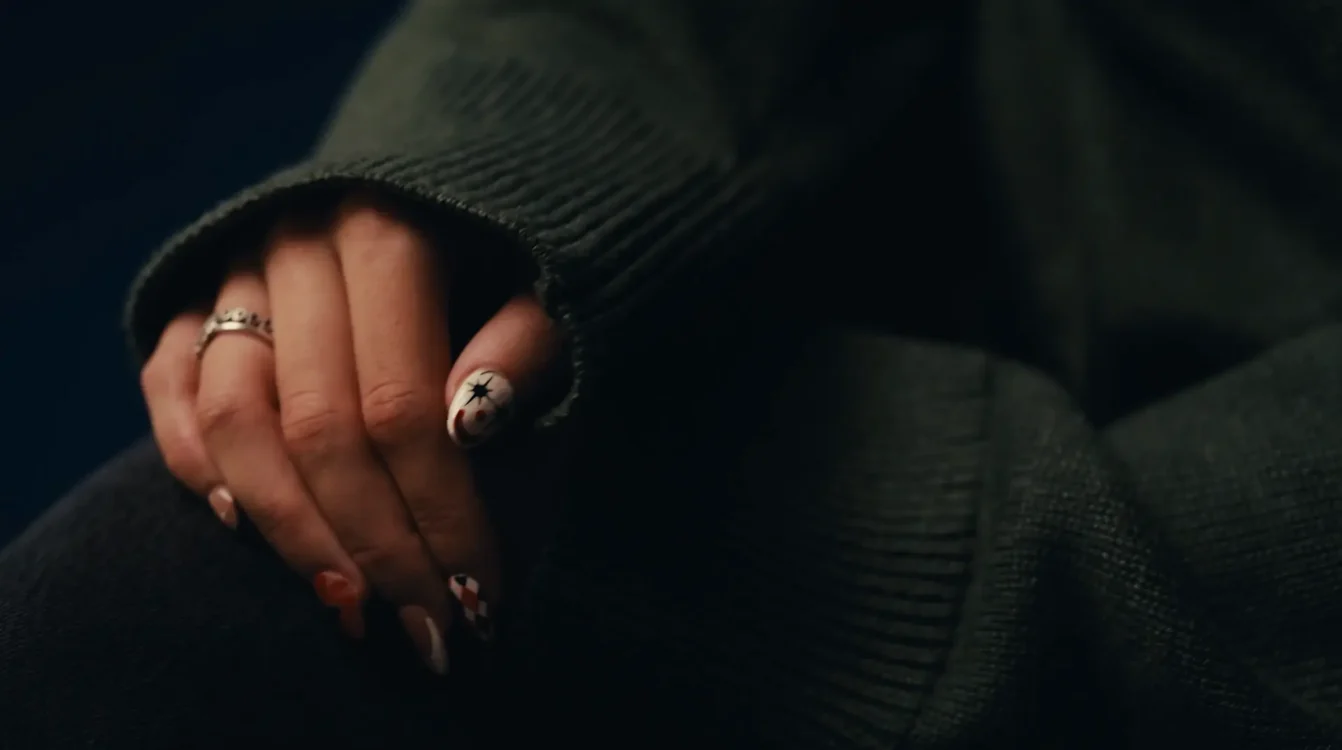
Visually, the film carried a darker, more grounded tone. Partly shaped by location, this approach also felt creatively right for the subject matter. Many of the stories touched on genuinely difficult experiences, and we wanted the visual language to respect that weight rather than soften it unnecessarily.

The technical
Concept
Story planning
Contributor care and pre-interviews
Filming
Interview direction
Editing
The result
The final film became a thoughtful and emotionally grounded centrepiece for the wider training package.
By combining lived experience with professional insight, it helps teachers better understand both the challenges care-experienced young people may face and the difference supportive practice can make.
The project landed strongly with the client, who gave particularly positive feedback on the way contributors were supported throughout the process. They went on to work with us again afterwards, which remains one of the clearest indicators of trust and success.